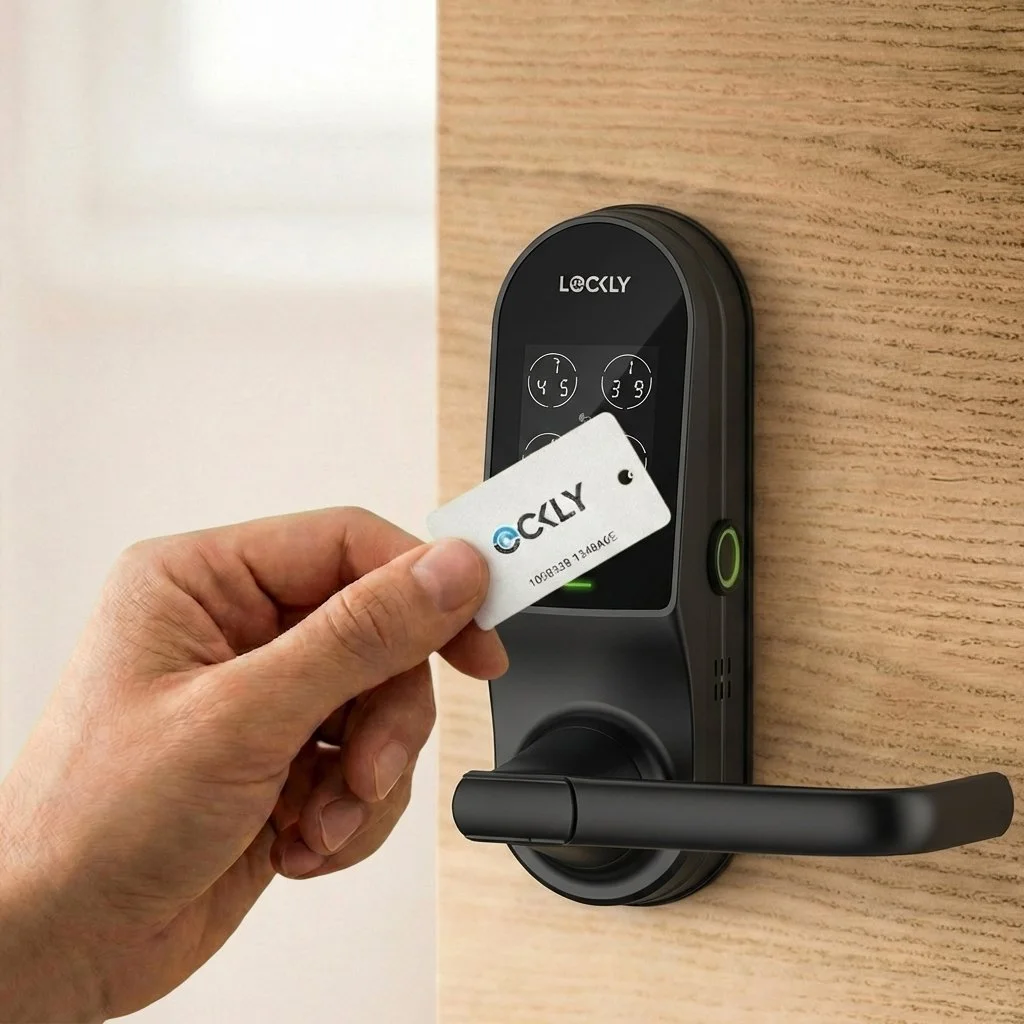
When Your Access System Fails, Will It Fail Safely?
A framework for evaluating access control under real operating conditions — not controlled demonstrations.

Property access is typically evaluated when everything is working. The demo connects. The keypad responds. The app launches cleanly.
That is not the test that matters.
Networks go down. Batteries deplete before anyone notices. Staff turn over mid-deployment. A resident loses their phone at midnight. A contractor arrives at 6am with no way to reach the building manager.
Failure-First Access Design reframes the evaluation question entirely. Rather than asking what a system does under ideal conditions, it asks what the system does when something breaks — and whether that failure mode was planned for in the architecture, or discovered after go-live.
This paper examines six operational dimensions that rarely appear in access control procurement conversations: credential resilience, offline versus online validation, connectivity architecture in multifamily environments, deployment risk distribution, partner operations governance, and app-free access design.
One finding is worth noting here. Hardware accounts for roughly 20–30% of deployment complexity. Provisioning — credential logic, role mapping, PMS integrations, audit validation, go-live readiness — accounts for the remaining 70–80%. Most post-go-live access failures originate in provisioning, not hardware. That ratio has direct implications for how projects are scoped, staffed, and contracted.
If you specify, deploy, or manage access control at portfolio scale, the framework in this paper applies before the next project brief is written — not after the first lockout.